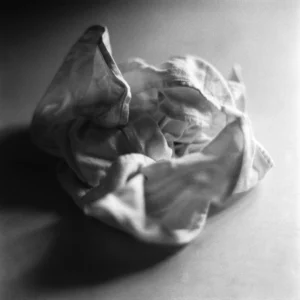
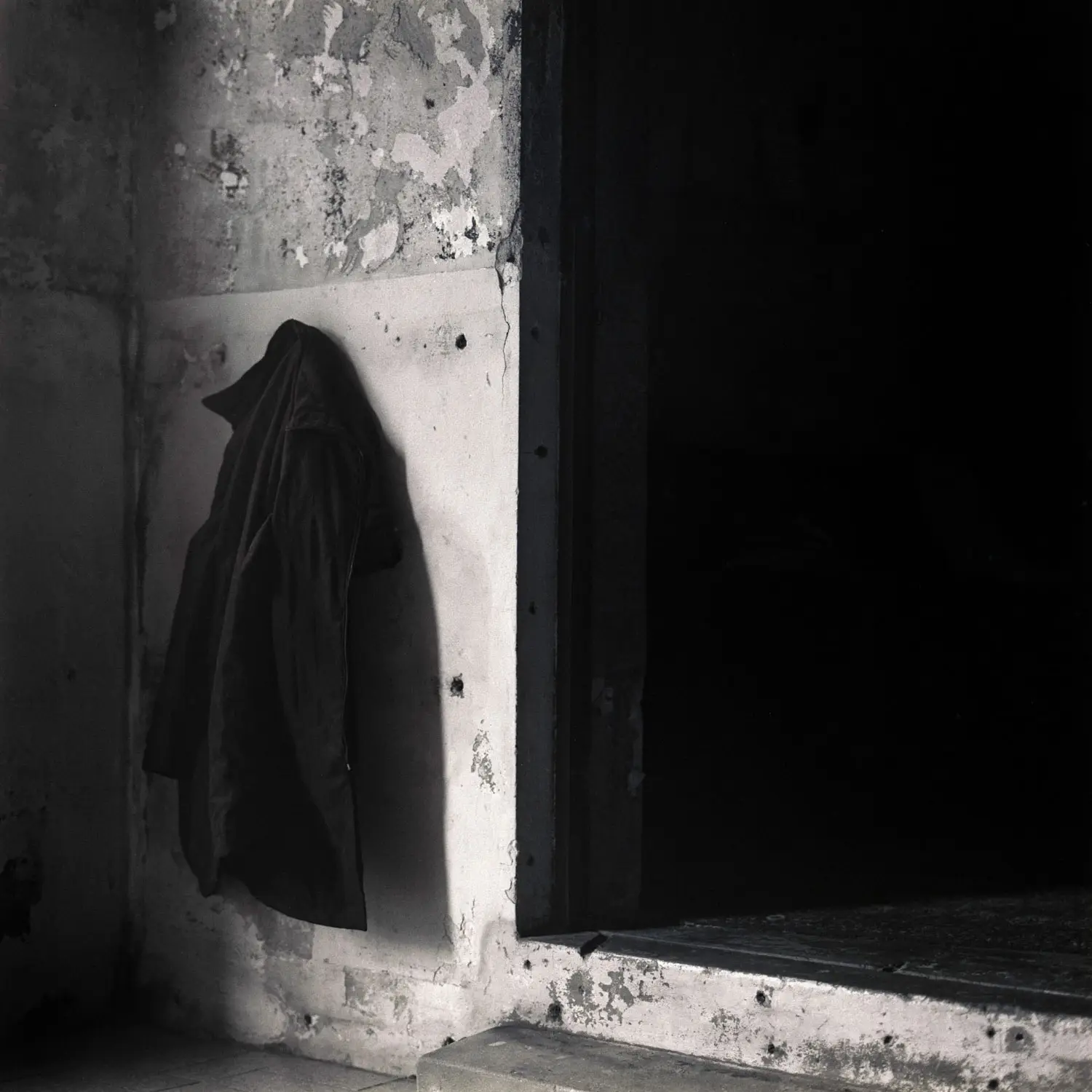
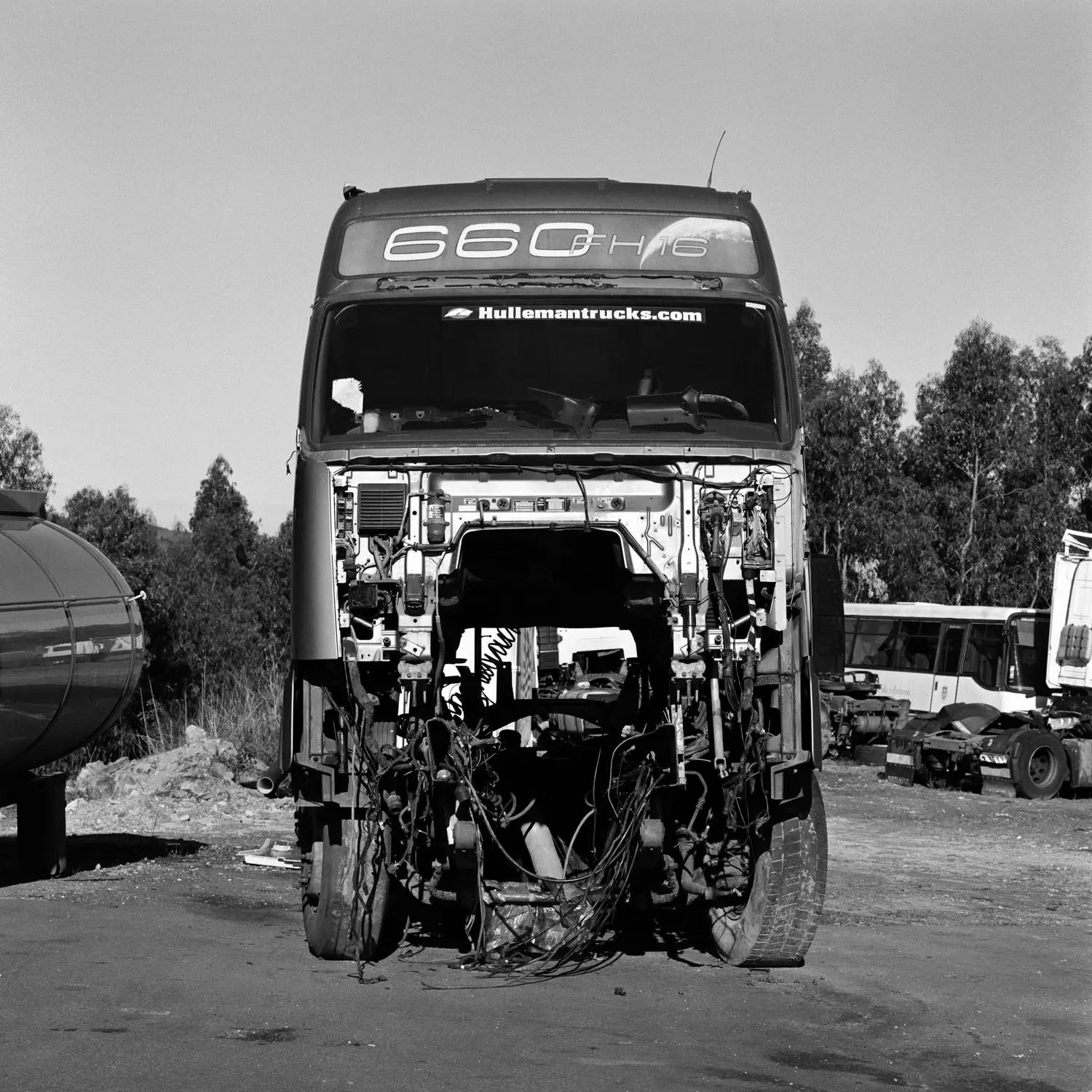
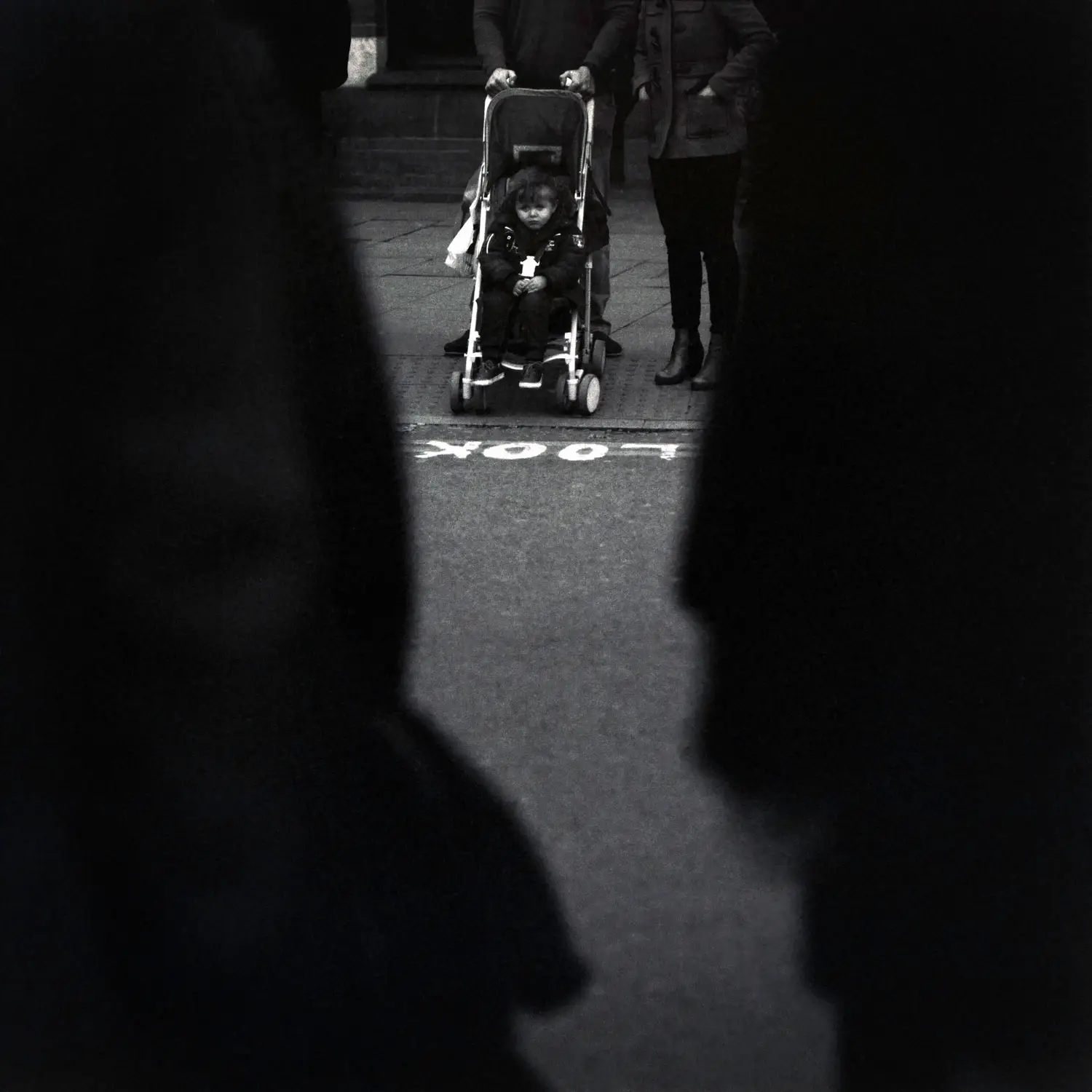
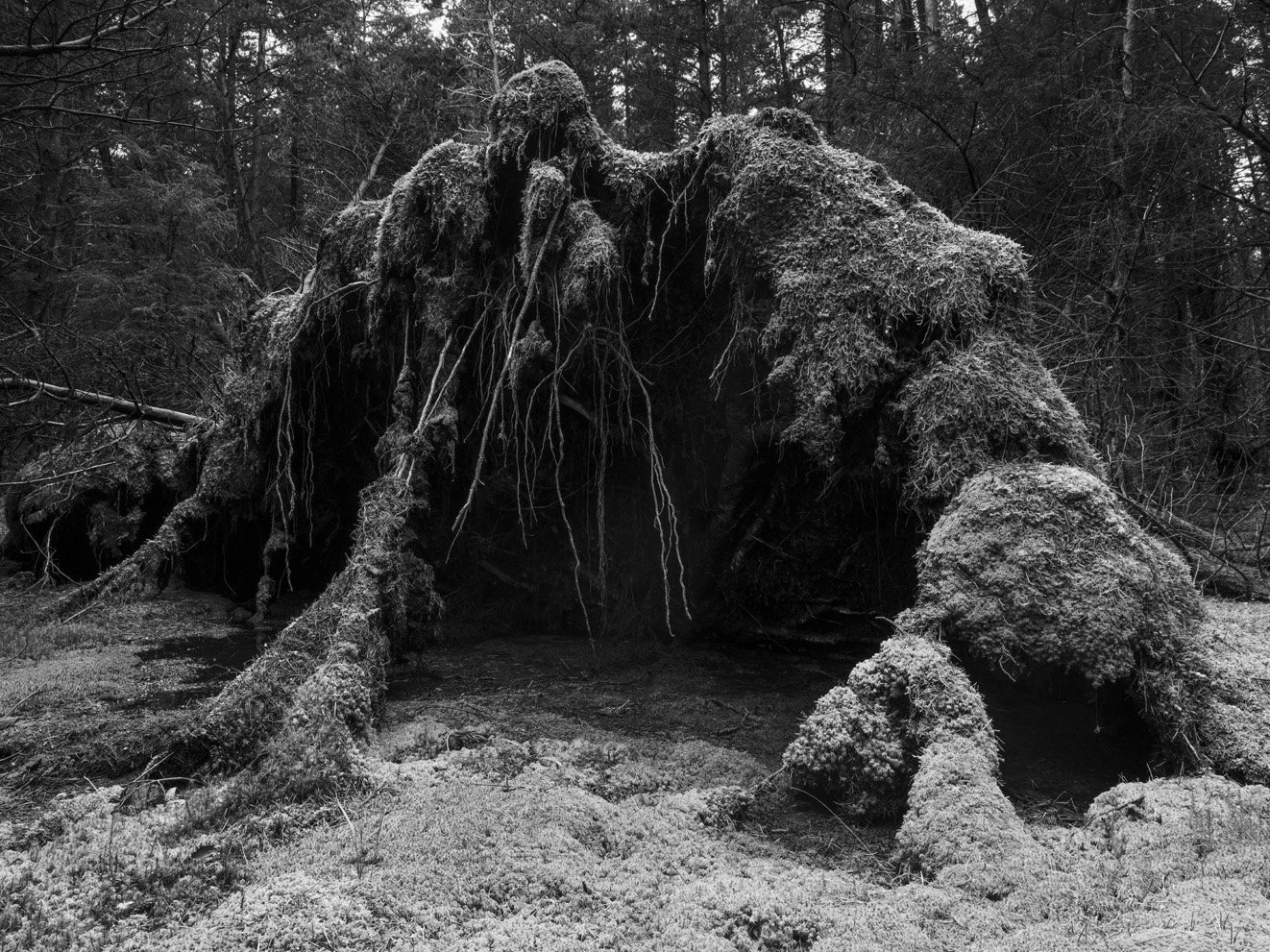
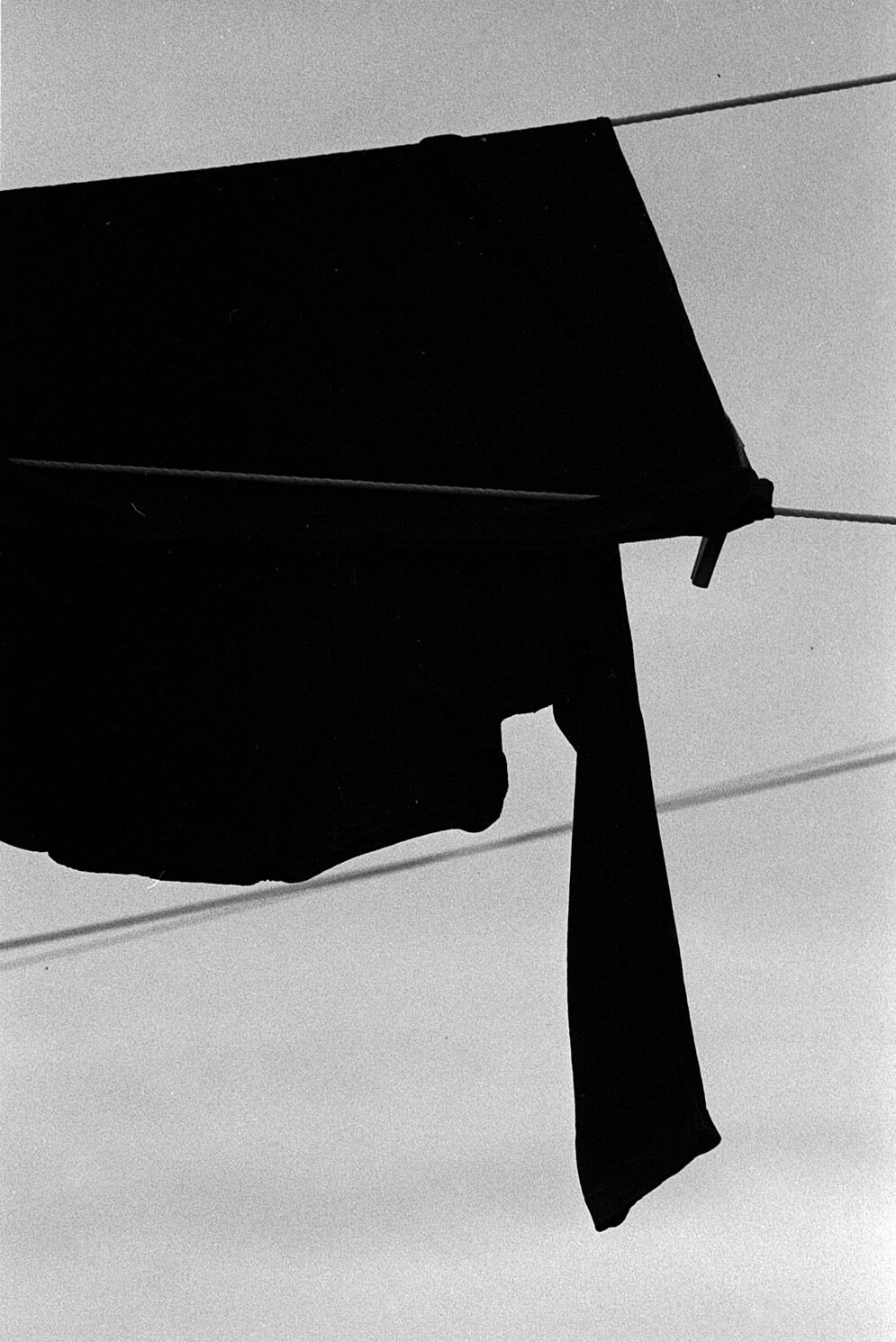
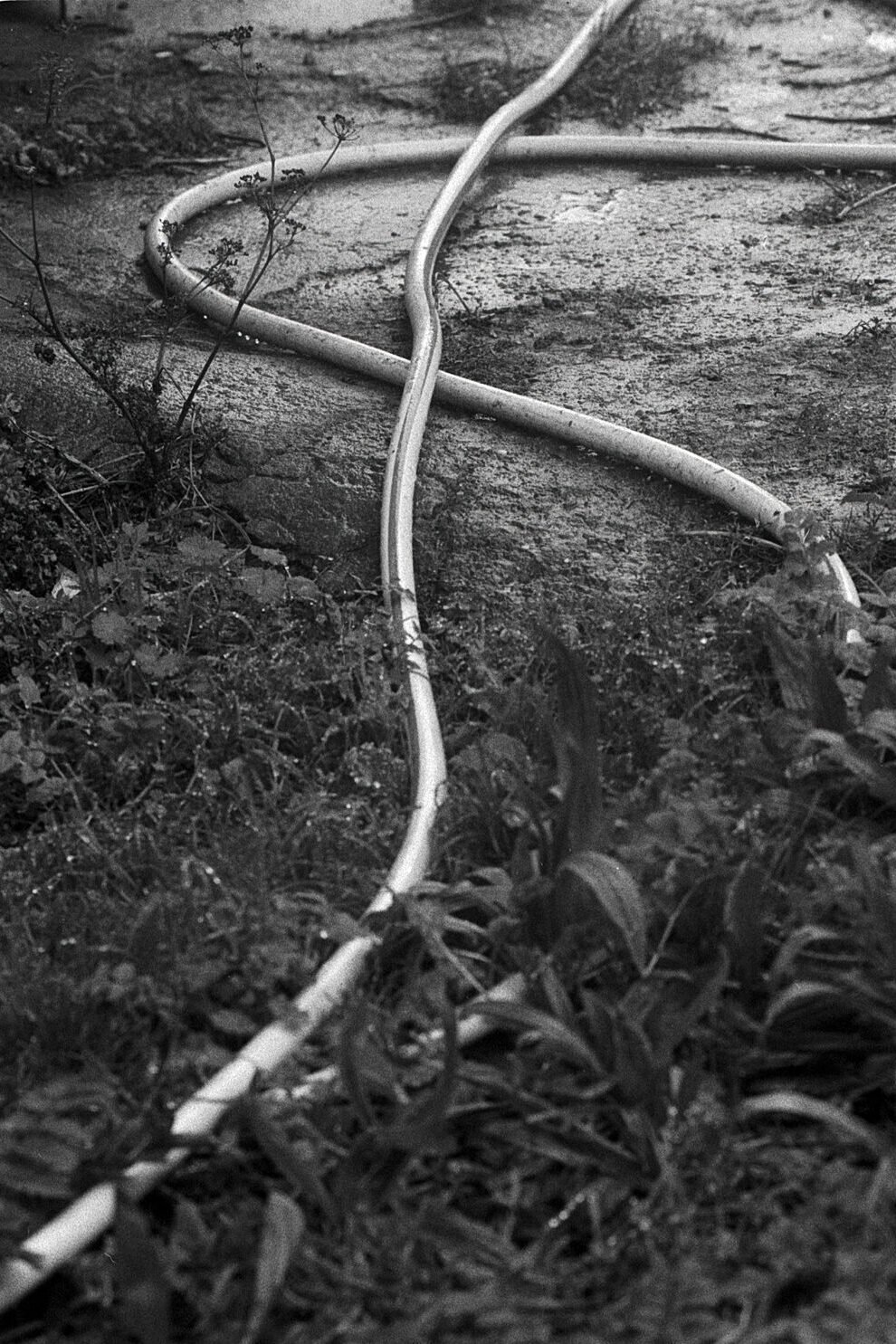
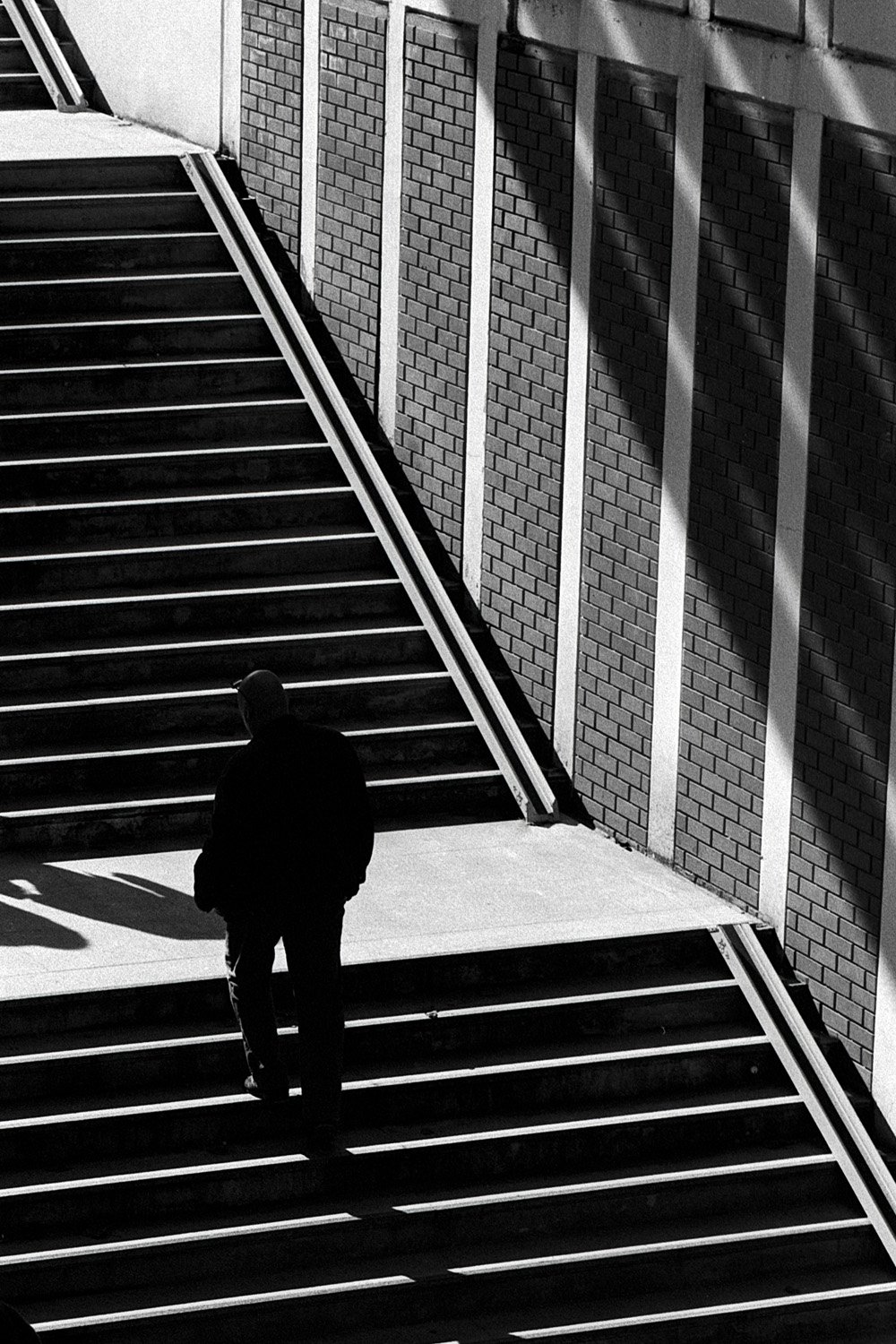
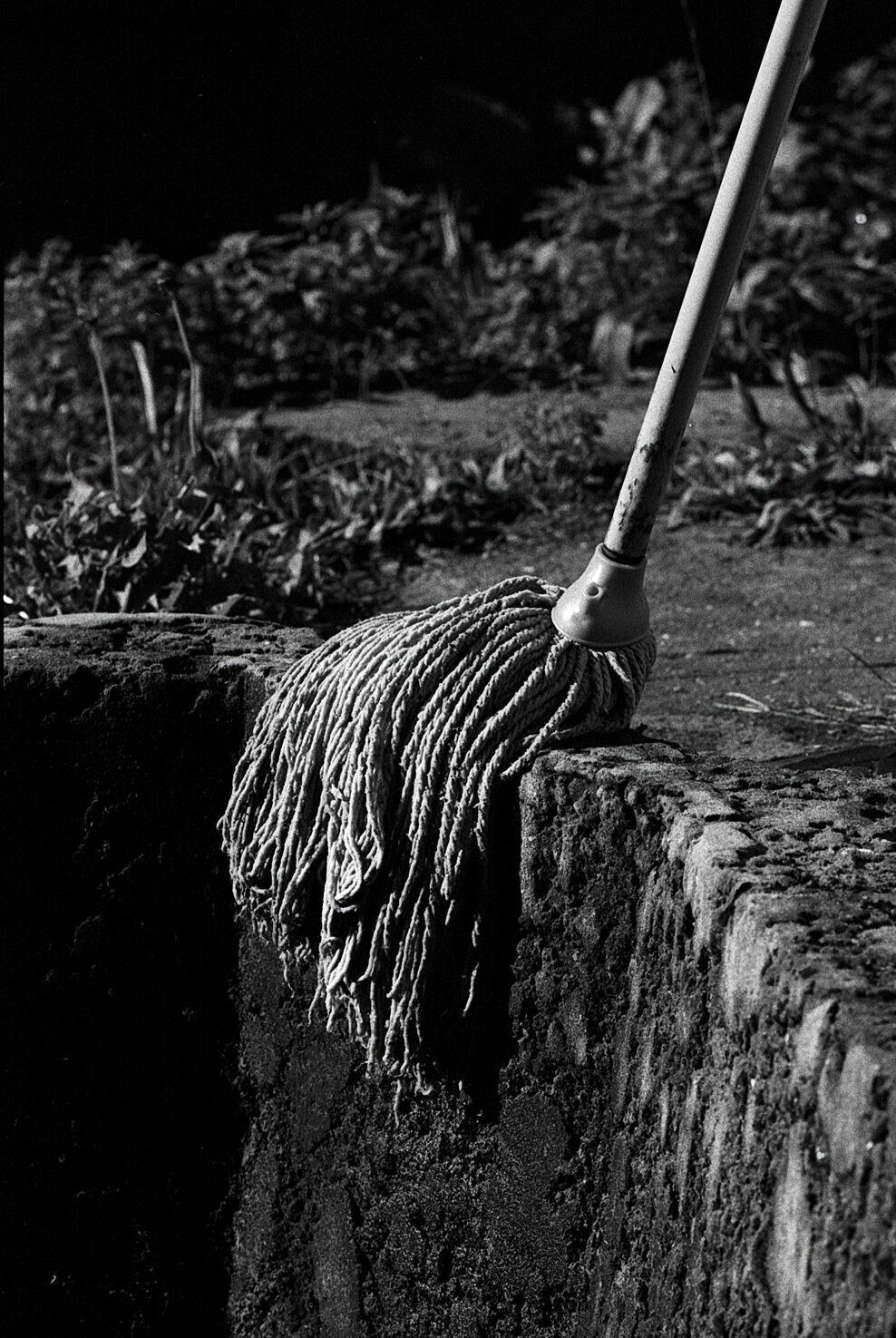
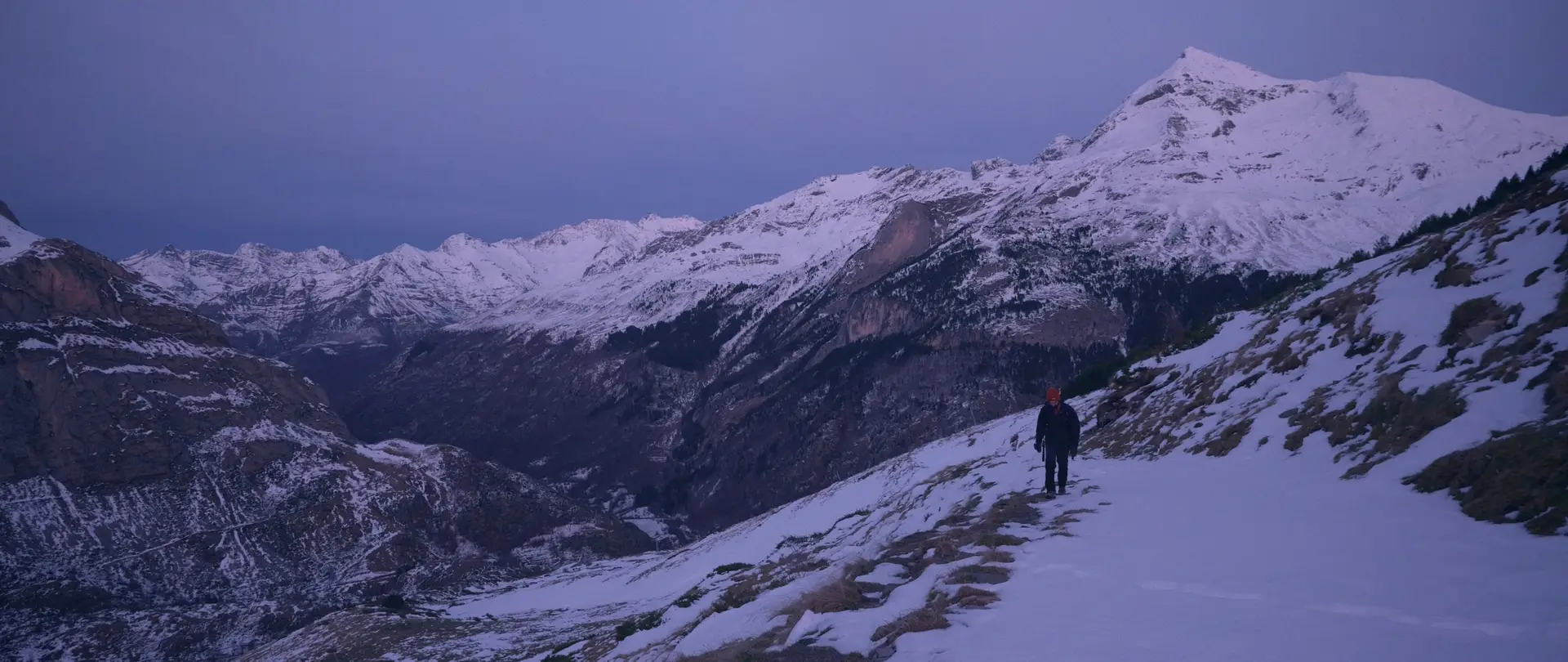
To photograph is to admit uncertainty: about what we are seeing, about why we are drawn to it, about what it reveals in return. Every image carries the risk of being misunderstood, ignored, or felt too closely.
What makes photography uncomfortable is precisely what makes it necessary. It allows difficult things to exist without resolution: grief without narrative, intimacy without confession, presence without explanation. The photograph does not argue or persuade—it simply insists. It holds contradictions in place and asks the viewer to remain with them, even briefly, unwillingly.
In this sense, photography is not a record but a gesture of trust. It communicates what cannot be said directly, not by clarifying it, but by making it visible and leaving it there. The vulnerability of the image mirrors the vulnerability of looking itself: to see is to be affected, and to be affected is to relinquish control. Photography accepts this loss, and in doing so, opens a space where discomfort can be shared rather than resolved.